Reviewing Waterfall Silhouette Clipart Vector for Embroidery
As a designer who spends half the day staring at stitch lines and the other half worrying about whether a client’s vision will actually hold up in a hoop, I don’t just look at digital files. I look at potential finished products. When I first pulled up Waterfall Silhouette Clipart Vector, my immediate thought wasn’t about color palettes or thread brands—it was about placement. Would this work on a heavy cotton canvas tote? Would it look lost on a baby onesie? Or would it shine as a statement piece on a sweatshirt?
This review isn’t about the technical specs of the file itself—since it is a DIGITAL product and not a physical item shipped to your door—but about how this specific design asset translates from screen to fabric. If you are an Etsy seller, a craft fair vendor, or a hobbyist looking to elevate your handmade goods, here is my practical take on using this illustration in real-world embroidery projects.
The First Impression: Mood and Visual Weight
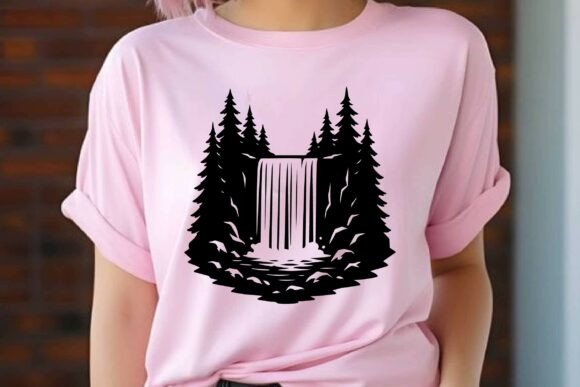
Before we talk about stitches, we have to talk about the silhouette itself. The design carries a natural sense of calm and movement. In the world of Illustrations and Graphics, capturing the flow of water without getting bogged down in hyper-realistic detail is a challenge. This vector handles that balance well. It feels organic but structured, which is exactly what you want when digitizing for machine embroidery.
The visual personality of the Waterfall Silhouette Clipart Vector leans towards modern rustic or minimalist chic. It doesn’t scream for attention with chaotic details; instead, it invites the viewer to appreciate the shape. For a small business owner, this is a huge plus. It fits seamlessly into boutique branding, nursery decor themes, and nature-inspired collections. It creates a mood that customers associate with relaxation and quality, which can significantly boost the perceived value of your handmade product.
Real-World Application: Where Does This Design Belong?
I recently imagined this design being used for a custom order—a set of matching kitchen towels and a large apron for a couple celebrating their anniversary. Here is how I see Waterfall Silhouette Clipart Vector performing in those scenarios:
- Tote Bags and Market Totes: This is perhaps the strongest use case. The vertical flow of a waterfall silhouette mimics the long, clean lines often found on canvas totes. When stitched in a monochromatic thread scheme (like white on black or navy on cream), it looks incredibly sophisticated. It works beautifully as a standalone graphic without needing additional text clutter.
- Sweatshirt Embroidery: For a cozy, autumnal vibe, placing this on the back yoke of a crewneck sweatshirt adds a touch of elegance. The silhouette’s simplicity allows it to scale up nicely on larger garments. However, you must be mindful of the surrounding space; let the design breathe.
- Baby Embroidery and Nursery Decor: While waterfalls might seem too dramatic for a baby item, the *silhouette* aspect softens the image. On a muslin blanket or a hooded towel, it reads as gentle and artistic rather than intense. It pairs exceptionally well with soft pastel thread colors if you are aiming for a gender-neutral aesthetic.
- Embroidered Patches: Because the design is contained within a clear silhouette, it makes for a very clean patch. You could easily add a simple border or backing to turn this into a detachable badge for denim jackets or backpacks, expanding its utility beyond just direct-to-garment stitching.
Technical Considerations for the Embroidery Designer
Using a vector file like this requires more than just loading it into your machine software. As someone who reviews these assets for commercial viability, I need to highlight where things can go wrong. The difference between a professional-looking finish and a tangled mess often comes down to preparation.
Stitch Density and Detail Level
Since this is a silhouette, the primary stitch type will likely be a dense fill stitch. This is generally forgiving, but you must check the density settings. If the design is too dense, the fabric will pucker, especially on lighter materials. Conversely, if it is too sparse, the fabric texture might show through, ruining the clean look of the silhouette. Always run a test on scrap fabric that matches the weight of your final project. If you are working with a fabric texture like raw denim or boucle wool, you may need to adjust the underlay stitches to ensure the top threads lay flat.
Thread Color Contrast
The power of a silhouette lies in contrast. A light grey waterfall on a black shirt might get lost. A crisp white on dark navy will pop. I recommend testing your thread colors against your actual garment material. Digital screens lie; fabric absorbs light differently. Also, consider using specialty threads—metallics or variegated silks—for the fill to add depth to what is essentially a solid shape. This elevates a standard embroidery project into a premium finished product.
Hoop Size and Placement
Check the dimensions of the design relative to your available hoop size. If the waterfall design is tall and narrow, it might not fit in a standard 4x4 hoop without splitting the design across multiple hoops, which introduces alignment risks. For best results, plan your placement carefully. On a curved surface like a cap or a hat brim, a vertical silhouette can sometimes distort unless you use a specialized cap frame and reduce the design height slightly.
Where to Use This Design Carefully
Not every surface is created equal. There are specific scenarios where Waterfall Silhouette Clipart Vector might struggle:
- Stretchy Fabrics: Unless you are using a high-quality tear-away or cut-away stabilizer, stretchy knits can cause the straight lines of the silhouette to wobble. This breaks the illusion of a clean vector shape.
- Small Hoop Sizes: Trying to cram this design into a tiny hoop for a child’s sock or a small accessory might result in loss of definition. Keep the minimum size reasonable to maintain the integrity of the silhouette.
- Dark Fabric with Light Thread: While high contrast is good, extremely light threads on very dark fabrics can sometimes require a double-pass or a denser stitch pattern to cover the base color completely. Test this to avoid transparency issues.
Commercial Viability and Brand Consistency
For the Etsy seller or small shop product creator, consistency is key. Using a clean, recognizable vector like this helps build a brand identity. It looks professional in your listing photos and holds up well in printable mockups. Customers trust designs that look intentional and polished. A sloppy execution of a great design will hurt your sales, but a precise execution of this silhouette will likely increase customer satisfaction.
Furthermore, because this is a digital embroidery file concept derived from a vector, it is versatile. You aren't limited to one type of stitch. You could experiment with applique techniques, cutting out the silhouette from contrasting fabric and stitching around the edge with a satin stitch. This adds a tactile element that pure thread embroidery lacks, potentially allowing you to charge a premium for a unique custom apparel item.
Final Verdict
Waterfall Silhouette Clipart Vector is a strong candidate for designers looking to add nature-inspired elements to their repertoire. It is versatile enough for personal gifts yet professional enough for commercial retail. Its success, however, depends entirely on your execution. Check your stabilizer, respect the stitch density, and always, always do a test run.
If you treat this design with the care it deserves, it will transform from a simple digital graphic into a tangible piece of art that customers will cherish. Whether it ends up on a tote bag design for a beach lover or a keepsake pillow for a home decorator, the key is in the details. Make sure your details are sharp, your contrasts are bold, and your presentation is flawless.