Skunk Silhouette Vector Embroidery Review
As a designer who spends more time staring at stitch charts and fabric swatches than sleeping, I approach every new digital asset with a healthy dose of skepticism. The market is flooded with "unique" designs that turn into tangled messes on the hoop. So, when I came across the Skunk Silhouette Vector, I didn’t just look at the preview image; I looked at how it would actually perform in a real-world production environment. This review isn’t about marketing fluff; it’s about whether this design has legs for your craft business, your Etsy shop, or your next handmade gift.
The First Impression: Mood and Visual Personality
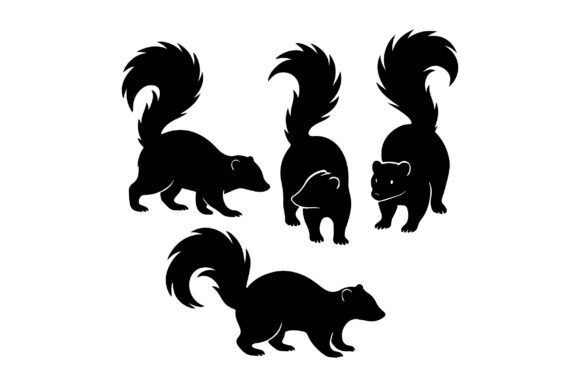
Silhouettes are a double-edged sword in embroidery. Done well, they are bold, graphic, and instantly recognizable. Done poorly, they lack texture and feel flat. The Skunk Silhouette Vector leans heavily into the former. From a design perspective, the shape reads clearly even at smaller scales. It captures that specific blend of mischievous and cute that skunks represent in pop culture, which makes it highly marketable for niche audiences.
What stands out immediately is the clean vector nature of the file. For an illustrator or graphic artist, this means crisp lines. But for an embroiderer, it means we have to translate those sharp vector edges into thread. My initial assessment is that this design relies on strong contrast and negative space rather than intricate detail. This is a smart choice. It suggests a design that will hold up well against the limitations of standard machine embroidery, avoiding the pitfall of trying to stitch microscopic details that will never show up on fabric.
Real-World Application: Where Does This Fit?
Let’s talk about practical use cases. I imagine this design thriving in the realm of custom apparel and accessories. Specifically, I see this performing exceptionally well as an embroidered patch or a chest-level logo on a sweatshirt. The silhouette format works beautifully on heavyweight fabrics like cotton fleece or denim, where the structure of the garment can support the weight of the stitches without buckling.
Consider a small batch run of tote bags. A tote bag design featuring this skunk silhouette, perhaps in a contrasting bright thread color against a black canvas bag, creates a striking visual statement. It appeals to the eco-conscious consumer who appreciates humor and wildlife themes. Similarly, for baby embroidery, this could be adapted for onesies or burp cloths. The playful nature of the subject matter fits perfectly with nursery decor or personalized gifts for toddlers who love animals.
I also see potential here for holiday embroidery projects. While not strictly Halloween-themed, the association with skunks often overlaps with spooky-cute aesthetics that sell well in October. However, its versatility allows it to stand alone year-round as a quirky fashion statement on caps, hats, or aprons for kitchen enthusiasts.
Technical Considerations for the Stitcher
This is where the rubber meets the road. As you prepare to digitize or use this machine embroidery design, there are several technical factors to weigh. Because it is a silhouette, the primary stitch type will likely be fill stitch, possibly bordered by satin stitch for definition.
Stitch density is critical here. If the fill is too dense, the fabric will pucker, especially if you are working on lighter materials like tea towels or thin cotton blends. You need to ensure the underlay stitches are sufficient to stabilize the area but not so heavy that they distort the final look. When testing this design, always check the balance between the thread coverage and the visible background fabric. In a silhouette, the background is part of the design.
Another vital aspect is thread colors. Since the design is monochromatic in its vector form, you have freedom in execution. However, contrast is king. On dark fabric, light threads will pop, but you may need multiple passes of thread to achieve full opacity, which increases stitching time and potential for thread breakage. Conversely, on light fabric, dark threads offer clarity but might require a stabilizer underneath to prevent the dark thread from showing through to the right side if the fabric is thin.
Fabric and Surface Challenges
Not all surfaces are created equal. While this design looks great on flat planes like tote bags or pillow covers, applying it to curved surfaces like baseball caps requires careful hooping and potentially specialized cap frames. The curvature can stretch the fabric, altering the proportions of the silhouette if not accounted for in the digitizing process.
Avoid using this on highly textured fabrics like bouclé or thick terrycloth unless you are prepared for significant distortion. The fine details of the skunk’s tail or ears may get lost in the nap of the fabric. Similarly, stretchy knits require a tear-away or cut-away stabilizer depending on the project's end-use, to prevent the design from warping during wear or washing.
Impact on Product Value and Branding
For Etsy sellers and small shop product creators, the aesthetic quality of your design directly impacts perceived value. A clean, well-executed silhouette conveys professionalism. It suggests that the maker paid attention to detail. When customers receive a handmade product with crisp embroidery, their trust in the brand increases.
This design also offers high giftability. Whether it’s a personalized gift for a friend who loves quirky animals or a boutique item for a local market, the universal appeal of animal silhouettes broadens your customer base. It avoids overly specific trends that might fade quickly, giving your inventory a longer shelf life.
When creating printable mockups for your online listings, remember that the simplicity of the silhouette allows it to be easily integrated into various scenes. It doesn’t fight for attention against busy backgrounds, making it easier to showcase the product in lifestyle settings.
Practical Designer Notes Before You Start
Before you commit to a large production run, follow these steps to ensure success:
- Test on scrap fabric: Always stitch a test sample on the exact fabric you plan to use. Check for puckering, thread tension issues, and color accuracy.
- Review stitch density: Zoom in on the digitized file if possible. Ensure that the fill stitches are not overlapping excessively, which can cause bulkiness.
- Check hoop size compatibility: Verify that the design dimensions fit comfortably within your machine’s maximum hoop size, leaving enough margin for hooping stability.
- Inspect small details: Look closely at the tail tip and ear edges. Are they too thin? Will they fray or break during stitching? You may need to adjust the digitizing to thicken these areas slightly.
- Compare backgrounds: Test the design on both light and dark fabrics to see how the negative space interacts with different color palettes.
- Confirm licensing: Since this is a digital embroidery file, verify the license terms before selling finished items. Some licenses restrict commercial use or limit the number of units you can produce.
Final Verdict
The Skunk Silhouette Vector is a solid, versatile addition to any embroiderer’s library. It strikes a good balance between artistic flair and technical feasibility. It is not overly complex, which reduces the risk of production errors, yet it has enough character to stand out in a crowded marketplace. For craft business owners looking for reliable, repeatable designs that appeal to a wide audience, this is a smart investment. Just remember: the best embroidery starts with proper preparation, so take the time to test, refine, and present your work with care. Your customers—and your machine—will thank you.