Retro in My Cycling Era SVG T-Shirt Review
As a designer who spends more time staring at stitch density charts than actual sleep, I approach every new digital asset with a healthy dose of skepticism. The market is flooded with generic clipart masquerading as premium embroidery files, so when I came across Retro in My Cycling Era SVG T-Shirt, I decided to put it through the wringer. This isn’t just about whether it looks cute on a screen; it’s about how it translates to thread, fabric, and ultimately, customer satisfaction. If you are an Etsy seller, a craft fair regular, or a small business owner looking to expand your custom apparel line, this review breaks down exactly where this design fits—and where it might cause headaches.
First Impressions: Mood and Visual Personality
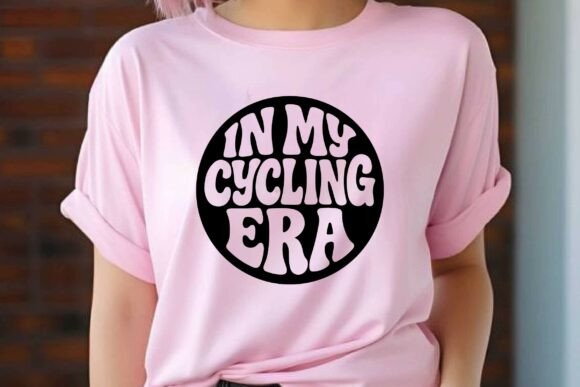
The title alone sets a specific tone. "Retro in My Cycling Era" suggests nostalgia, movement, and a touch of vintage whimsy. From a design perspective, this is crucial because embroidery is inherently textural. A flat vector graphic can look sharp, but once converted to stitches, it gains weight and dimension. This design appears to lean into that aesthetic, likely utilizing curves and bold shapes that mimic mid-century cycling posters or classic sportswear branding.
What stands out immediately is the potential for strong visual hierarchy. In T-Shirt Designs within the Graphics category, clarity is king. You don’t want a design that turns into a muddy blob after three washes. This piece seems to prioritize legibility and iconic silhouettes over intricate, hairline details. That is a smart move for machine embroidery. It creates a mood that is energetic yet relaxed, perfect for the current trend of "athleisure" meets "vintage cool." It feels like something you’d wear on a weekend ride or while grabbing coffee after a spin class—approachable, stylish, and distinctly personal.
Real-World Application: Where Does It Shine?
I’ve been thinking about how to best utilize this file for my own upcoming product drops, and several scenarios popped up immediately. Let’s talk about practical use cases. First, the obvious choice: custom apparel. Whether you are printing on cotton tees or embroidering on heavyweight hoodies, this design has the presence to stand out. For a boutique brand, placing a retro cycling motif on the chest of a sweatshirt or centered on the back of a tee creates an instant statement piece.
But let’s look beyond the standard t-shirt. One of the most exciting applications I see is for personalized gifts. Imagine a custom embroidered patch for a child’s backpack or a tote bag design for a local bike shop owner. The nostalgic theme works beautifully for baby embroidery projects too, perhaps adapted into a softer color palette for a nursery blanket or a onesie. It bridges the gap between adult hobbies and family life, making it a versatile asset for any craft business.
I also envision this working exceptionally well for holiday embroidery. During the fall and winter months, people love gear that reflects their passions. A cap or hat featuring this design could be a top seller at craft fairs, appealing to cyclists who want to show off their hobby without wearing full spandex. Furthermore, for digital product sellers, this serves as excellent design assets for creating printable mockups. You can showcase how the art looks on various garments before committing to physical inventory, which is a low-risk way to test market demand.
Technical Considerations and Stitch Performance
Now, let’s get technical. As experienced designers, we know that not all graphics translate equally well to thread. When evaluating Retro in My Cycling Era SVG T-Shirt, I had to consider stitch density and detail resolution. Retro designs often rely on clean lines and solid blocks of color. If the original graphic includes tiny, thin elements, they may disappear entirely when stitched, especially on textured fabrics like denim or fleece.
This is where careful planning comes in. Before uploading this to your embroidery machine, you must check the stitch count and density. High-density areas can cause puckering, particularly on lighter fabrics or stretchy materials like jersey knits. If you plan to use this for a tote bag design, ensure you are using a sturdy stabilizer to prevent distortion. For a sweatshirt embroidery project, the thicker fabric can handle more fill stitch, but you’ll need to adjust your tension settings to avoid thread breaks.
Another critical factor is thread color contrast. Retro palettes often feature muted tones or pastels. On dark fabric, these colors might lack the punch needed to make the design pop. I recommend testing the design in black and white mockups first to ensure the shapes remain distinct regardless of color. If the design relies on subtle shading, it might be better suited for applique design techniques rather than pure satin or running stitch work, depending on the complexity of the original file.
Where to Use With Caution
While this design has broad appeal, there are specific situations where it requires extra care. Avoid using it on curved surfaces like caps if the design lacks proper digitizing for curvature; it will look distorted. Similarly, be wary of using it on very thin fabrics without adequate backing, as the hoop size required might crush the material or leave visible marks. Small hoop sizes can also be tricky—if the design is scaled down too much, fine details will be lost. Always inspect small details closely before mass production.
Additionally, if you are targeting customers who value durability, remember that frequent washing can wear down intricate stitching. Decorative accents on items like aprons or kitchen towels might snag more easily than simpler, bolder motifs. For commercial embroidery projects, ensure you understand the licensing terms. Just because you bought the file doesn’t always mean you have unlimited rights to sell finished products. Confirming licensing before selling finished items is essential to protect your small shop product from legal issues.
Final Verdict: Is It Worth Your Time?
Overall, Retro in My Cycling Era SVG T-Shirt feels like a solid addition to any designer’s library. It captures a specific cultural moment with style and simplicity, making it highly marketable. For handmade product creators, it offers a balance of artistic flair and commercial viability. It’s not overly complex, which keeps production times reasonable, but it’s distinctive enough to stand out in a crowded marketplace.
If you are an Etsy seller or a creative entrepreneur looking to diversify your offerings, this design provides a great foundation for personalized gifts and custom apparel. However, success lies in the execution. Test on scrap fabric first, choose the right stabilizer, and present it professionally with high-quality printable mockups. When done right, this design doesn’t just sit on a shirt—it tells a story, connects with the wearer’s identity, and adds tangible value to your brand. It’s a reminder that good design isn’t just about looking pretty; it’s about being practical, durable, and emotionally resonant.