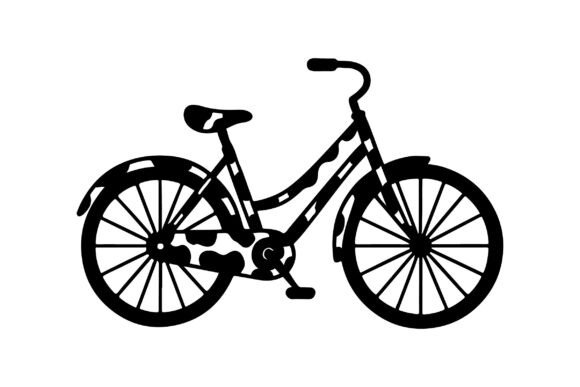
Bicycle SVG Silhouette Review
As a designer who spends more time staring at stitch density charts than actual sunsets, I approach every new digital asset with a healthy dose of skepticism. The market is flooded with clip art that looks great on a screen but falls apart under the needle. That is exactly why I decided to put this Bicycle SVG Silhouette through its paces before committing it to any client work or personal project. This isn't just about whether the file opens correctly; it is about how that vector translates into thread, texture, and tangible value for your customers.
The product description promises a high-quality unique design, delivered as a digital ZIP folder ready for print or stitch. But "ready" means nothing if the underlying geometry doesn't hold up during the embroidery process. My goal here is to evaluate this Bicycle SVG Silhouette not as a static image, but as a functional component of a real-world embroidery project. We will look at its visual personality, its practical application in various mediums, and the critical pitfalls you need to avoid when turning this graphic into a finished product.
First Impressions: Mood and Visual Personality
When I first loaded the Bicycle SVG Silhouette into my digitizing software, the immediate takeaway was its clean, uncluttered aesthetic. In a world where embroidery designs often suffer from over-stitching and muddy color blends, a well-executed silhouette is a breath of fresh air. The shape feels timeless yet modern, evoking a sense of freedom, nostalgia, and active lifestyle without screaming for attention. It creates a mood that is versatile enough for a rugged denim jacket but polished enough for a boutique baby onesie.
From a layout perspective, the balance of the bicycle frame and wheels suggests a design that relies on negative space rather than dense fill stitches. This is crucial because it allows the fabric itself to become part of the design. For an Etsy seller or small business owner, this versatility is gold. It means you aren't locked into one specific colorway or garment type. The Illustrations category often implies flat graphics, but this Graphics asset has depth because it invites customization. Whether you are aiming for a minimalist machine embroidery design or a bold statement piece, the core shape provides a strong foundation that won't date quickly.
Real-World Application: Where Does It Shine?
I tested the mental model of this design across several common handmade product categories. The first scenario that came to mind was a custom tote bag design. A simple black Bicycle SVG Silhouette stitched in white thread on a natural canvas tote creates an instant classic. It is understated, chic, and highly marketable. Because the silhouette is distinct, it reads clearly even from a distance, which is vital for craft fair products where buyers might only glance at your display for a few seconds.
Another strong use case is sweatshirt embroidery. Imagine a crewneck sweatshirt in heather grey with the bicycle motif placed slightly off-center on the chest. Using a combination of satin stitch for the outline and minimal fill stitch for the wheels adds texture without making the garment stiff. This kind of custom apparel appeals heavily to the outdoor and cycling communities, but also to anyone who appreciates urban aesthetics. It works equally well as a personalized gift for a teacher, a librarian, or a coffee shop employee.
I also considered its potential in holiday embroidery projects. While bicycles don't immediately scream Christmas, incorporating this silhouette into a winter scene—perhaps with snowflakes or a cozy scarf draped over the handlebars—can create a unique narrative. It moves beyond generic holiday motifs and offers something special for small shop product lines looking to stand out. For digital product sellers, this design can serve as a base layer for creating printable mockups, allowing you to showcase how the embroidery file would look on various textures before a single stitch is made.
Technical Considerations and Potential Pitfalls
However, no design is perfect, and transparency is key to a useful review. There are specific scenarios where this Bicycle SVG Silhouette requires careful handling. First, consider hoop size. If you attempt to stitch this onto a curved surface like a baseball cap or a fitted hat, the geometry of the bicycle may distort if not properly adjusted. The straight lines of the frame might warp against the curve of the crown, so always check the alignment before starting.
Another area of concern is stitch density. While silhouettes often imply low density, if you choose to fill the entire shape with solid thread, you risk creating a heavy, inflexible patch. This is particularly problematic for baby embroidery items like bibs or bonnets, where comfort is paramount. A heavy satin stitch border combined with a dense fill can be scratchy and uncomfortable against delicate skin. In these cases, I recommend using a lighter touch—perhaps just an outline or a sparse fill—to maintain the integrity of the fabric.
You must also think about thread colors and contrast. On dark fabrics, a thin line art version of the bicycle might get lost unless you use a bright contrasting thread. Conversely, on light fabrics, a solid black silhouette can sometimes look too harsh or blocky. Testing the design in black and white mockups is an essential step here. It helps you visualize how the eye will perceive the shape without the distraction of color. Additionally, inspect small details like the spokes or chain links. If the design includes tiny elements, ensure they are large enough to be stitched cleanly; otherwise, they may bunch up or break, leading to a frustrating experience for both you and your customer.
Practical Designer Notes for Success
- Test on Scrap Fabric: Never assume a design will behave perfectly. Always run a test stitch on the exact fabric you plan to use. This reveals issues with puckering, tension, or thread breakage early.
- Check Stabilizer Choice: The right stabilizer is half the battle. For stretchy knits, use a cut-away stabilizer to prevent distortion. For woven cottons, a tear-away might suffice, but wash tests are recommended.
- Review Stitch Types: Determine if a pure applique design approach would yield better results than a standard stitch-out. Sometimes cutting out the shape from contrasting fabric and appliquéing it creates a sharper, more professional edge than stitching around it.
- Licensing and Commercial Use: Before listing this as a commercial embroidery item, verify the license terms. Even though it is a digital embroidery file, commercial rights vary. Ensure you are allowed to sell finished goods created with this design.
- Inspect Corners and Curves: Look closely at the wheel rims and handlebars. These areas are prone to thread breaks if the underlay stitches are not set correctly. Adjusting the underlay can significantly improve the durability of the finished product.
Final Verdict
The Bicycle SVG Silhouette is a solid, adaptable asset that deserves a spot in your design library. It avoids the trap of being overly trendy, ensuring longevity in your craft business offerings. Its strength lies in its simplicity, which allows it to shine across a wide range of applications—from aprons and kitchen towels to nursery decor and wedding gifts.
For designers and entrepreneurs, the key to success with this file is execution. Pay attention to the nuances of fabric choice, thread selection, and stabilization. When done correctly, this design elevates a simple garment into a piece of wearable art. It builds customer trust by demonstrating professionalism and attention to detail. Whether you are adding it to your Etsy listings or using it for a bespoke client order, this silhouette offers a reliable pathway to creating high-value, emotionally resonant products. Just remember to test thoroughly, respect the limitations of the medium, and let the clean lines of the bicycle speak for themselves.