Valentine Hearts Clipart Vector Design Review
As a designer who spends half my day staring at stitch charts and the other half troubleshooting tension issues on my embroidery machine, I don’t just look at a design file; I look at how it will behave under the needle. When evaluating a new asset for my library or for client work, I need to know if it translates well from screen to fabric. That is exactly why I am reviewing the Valentine Hearts Clipart Vector Design. This product falls squarely into the category of Illustrations and Graphics, but its true value lies in its potential as a machine embroidery design or a base for custom apparel projects.
This is a digital product, meaning you are purchasing convenience and quality rather than a physical item. The promise is a ZIP folder containing everything you need to get started. For an Etsy seller or a small business owner, that efficiency is critical. But does the design itself hold up? Let’s dive into the practical realities of using this heart-themed vector in real-world scenarios.
First Impressions and Visual Personality
The moment you open the file, the mood is immediate. Valentine’s Day designs often suffer from being overly cliché or cluttered with excessive script fonts and tiny hearts. However, this Valentine Hearts Clipart Vector Design strikes a balance between classic romance and modern simplicity. The shape feels intentional, not accidental. It has a visual personality that suggests warmth without being childish.
For designers, the layout is clean. This matters because clean lines usually mean cleaner stitches. When I see a graphic like this, I immediately think about how it will render in satin stitch versus fill stitch. The curves appear smooth enough to avoid jagged edges when scaled down, which is a huge plus for smaller hoop sizes. It feels versatile—capable of sitting quietly on a coffee mug sleeve or commanding attention on the chest of a sweatshirt. It creates a vibe that is approachable, romantic, and highly giftable, which are the three pillars of successful holiday merchandise.
Real-World Application: From Screen to Stitch
Let’s talk about where this design actually lives in your workflow. I recently considered using a similar heart motif for a batch of custom embroidered tote bags intended for a local boutique. Here is how I evaluated whether the Valentine Hearts Clipart Vector Design would work.
Custom Apparel and Sweatshirts
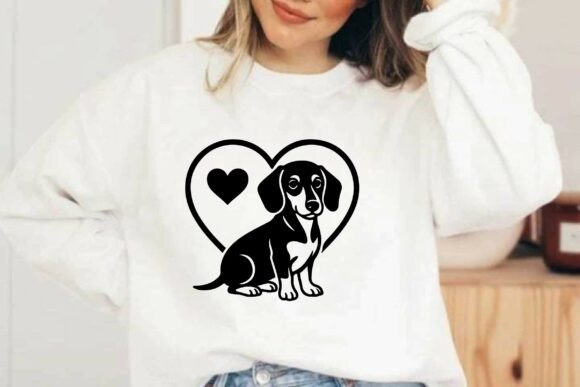
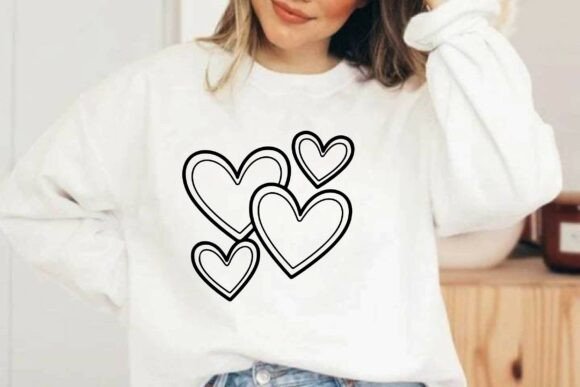
On a heavy cotton sweatshirt, this design would likely shine. The contrast between the fabric texture and the smooth vector lines allows the design to pop. Whether you use it as a standalone embroidery project or combine it with text, it anchors the garment well. For a sweatshirt embroidery piece, I would recommend placing it slightly off-center for a more modern, less corporate look. It works beautifully for personalized gifts where a name might be added below the heart.
Baby Items and Nursery Decor
Softness is key here. If you are making baby blankets or onesies, this design offers a gentle aesthetic. It is not aggressive or loud. When digitized properly, the stitch density can be kept light enough to remain soft against a baby’s skin, provided you choose the right thread colors. Think pastel pinks, creams, or even soft greys for a gender-neutral option. It fits perfectly into the nursery decor market, perhaps on a pillow cover or a wall hanging.
Craft Business and Etsy Listings
For the Etsy seller or small shop product creator, visual appeal drives clicks. This design is photogenic. It translates well into printable mockups and design assets for digital previews. Customers love seeing how a design looks on different backgrounds. Because the vector is clean, you can easily change the color palette in your editing software to match seasonal trends—moving from reds for Valentine’s Day to deeper burgundies or blacks for a more mature, edgy aesthetic later in the year.
Where Caution Is Required
No design is perfect for every surface. As an experienced reviewer, I must point out where the Valentine Hearts Clipart Vector Design might struggle. Precision is paramount in embroidery, and some applications demand more than others.
- Small Hoop Sizes: If you attempt to shrink this design too much, you risk losing detail. Tiny lettering or intricate inner curves may become muddy blobs of thread. Always check the minimum recommended size before finalizing your order.
- Textured and Stretchy Fabrics: Using this on a thick, textured knit or a highly stretchy jersey can cause distortion. The stabilizer choice becomes critical here. Without proper support, the fill stitch areas might pucker, ruining the professional finish.
- Dark Fabric and Contrast: While vibrant threads work well, ensure you have high-contrast options. On dark fabrics, standard white thread might disappear unless you use a heavier weight or a specific sheen. Test your thread colors against your actual fabric swatch.
- Curved Surfaces: Applying this to caps or hats requires careful hooping. If the design is too large or dense for the curve of the cap front, it will look distorted. Keep the placement central and balanced.
- Dense Stitch Areas: If the design includes large solid blocks of color, be mindful of the fabric stability. Too much density on thin fabric can lead to stiffness and discomfort, especially in garments worn close to the body.
Practical Designer Notes for Success
To get the most out of this digital embroidery file, follow these practical steps. I never skip these checks, regardless of how simple the design seems.
- Test on Scrap Fabric: Never commit to a final product without a test run. Use scrap pieces of the same fabric type to check how the threads interact with the material.
- Check Stitch Density: Look closely at the digitization. Are there any unnecessary jumps or trims? A good machine embroidery design should flow logically.
- Review in Black and White: Convert your design to grayscale in your editing software. This helps you see if the shapes are distinct and readable without relying on color contrast alone.
- Confirm Licensing: Before selling finished items, double-check the license terms. Does it allow commercial use? Can you sell unlimited quantities? Clarity here protects your craft business from legal issues.
- Use Proper Stabilizer: The success of the stitch often depends on what is behind the fabric. Tear-away, cut-away, or wash-away stabilizers each have their place. Match the stabilizer to the fabric weight and the design’s density.
Final Verdict on Value and Appeal
The Valentine Hearts Clipart Vector Design succeeds because it respects the craft. It doesn’t try to do too much. It provides a strong foundation for a variety of handmade products, from aprons and kitchen towels to embroidered patches and holiday gifts. Its clean vector nature ensures that it remains sharp whether it is stitched onto a tote bag or printed on a tag.
For the creative entrepreneur, this asset offers flexibility. It supports brand consistency by offering a recognizable, timeless symbol that customers trust. It enhances buyer engagement because it speaks a universal language of affection and care. Whether you are creating a one-off personalized gift or scaling up production for a craft fair, this design delivers professional results.
In conclusion, this is a reliable, high-quality addition to any designer’s toolkit. It handles the transition from graphics to textile art with grace. Just remember to respect the fabric, test your settings, and let the design’s inherent charm do the talking. If you are looking for a staple piece for your Valentine’s collection, this is a smart, practical choice.